


 Sign In
 Create an
Account
Create an
Account




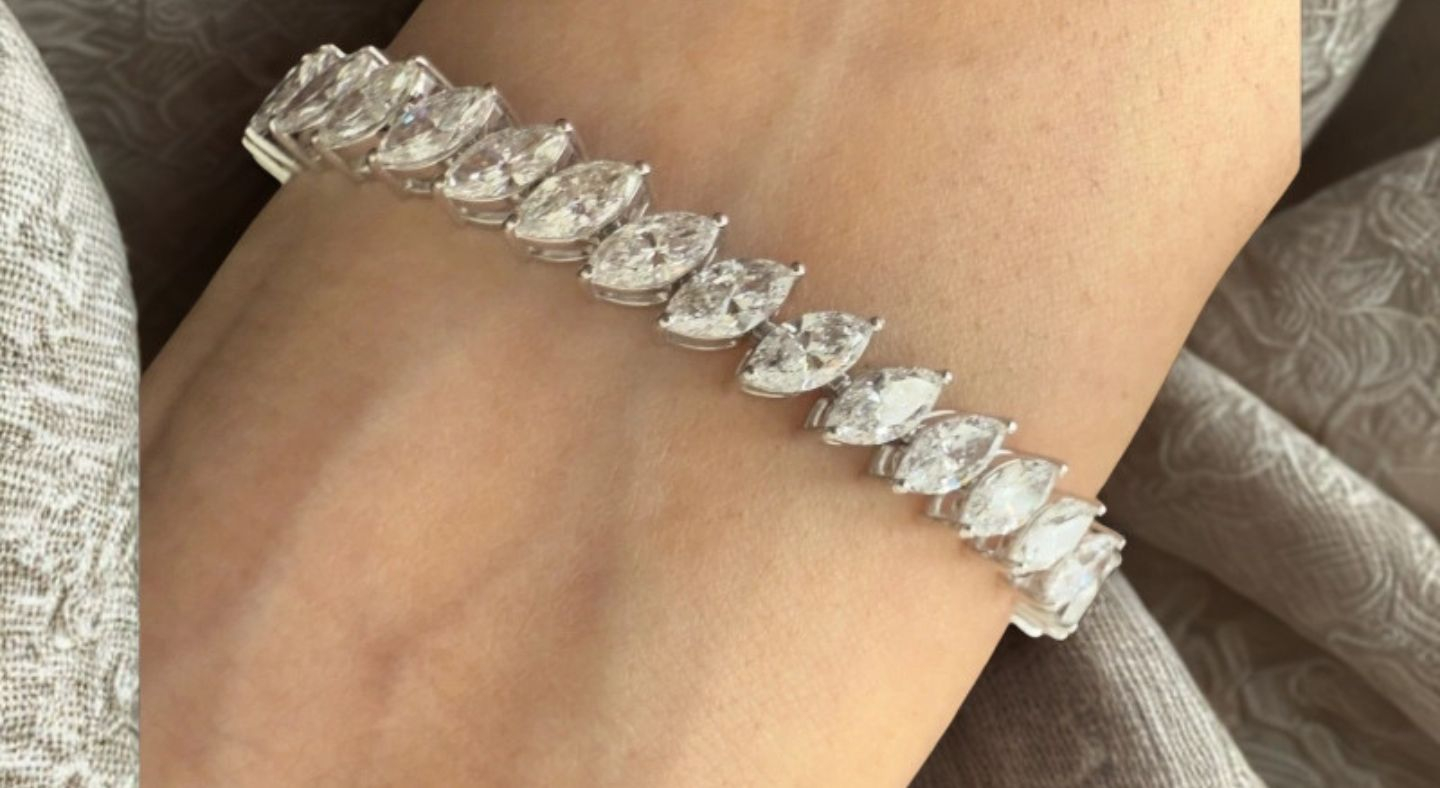

But what precisely makes these pieces so iconic? Tennis bracelets may come and go in and out of style with the seasons, but why are people still returning to them? Perhaps it's more than just how they appear.
Maybe it’s about how they feel.
What Is a Tennis Bracelet? A Complete Beginner’s Guide
Alright, let’s not overcomplicate it. A tennis bracelet is basically a flexible chain set with a continuous line of diamonds or gemstones. That’s the simple version.
But honestly, that definition doesn’t quite capture it.
It’s the balance that stands out. Not too loud, not too plain. You can wear it with a formal outfit or just… jeans and a shirt, and it still works. That’s rare in jewellery.
And yes, most tennis bracelets are made using gold, platinum, or sometimes silver. The stones? Usually diamonds, though coloured gems are creeping in more these days.
Why Are They Called Tennis Bracelets?
Funny story, actually.
The name comes from a moment during a tennis match. A professional player lost her diamond bracelet mid-game and stopped everything to find it. Imagine that pause… the crowd waiting, the match on hold, all for a bracelet.
And somehow, that moment stuck.
Since then, people started calling them tennis bracelets. Not because you need to play tennis to wear one, obviously. But they’re secure, practical, and surprisingly durable.
Kind of poetic, in a way.
Popular Tennis Bracelet Styles You Should Know
You’d think there’s just one style. There isn’t.
Some people go for the classic diamond line. Clean, timeless, no surprises. Others lean towards coloured gemstones, sapphires, emeralds, even black diamonds if they want something moodier.
Then there are modern designs. Slightly chunkier settings, mixed metals, subtle twists in the pattern. Not drastic, just enough to feel different.
And vintage styles… they have this old-world charm. Slightly intricate, a bit more personality.
It’s not about choosing the best style. It’s about choosing the one that feels right when you wear it.
Diamond vs Lab-Grown Tennis Bracelets: Key Differences
This one comes up a lot.
Natural diamonds or lab-grown ones?
On paper, they look almost identical. Same sparkle, same structure. But the differences show up in other ways. Price, for one. Lab-grown options are usually more affordable, which makes tennis bracelets accessible to more people.
Then there’s sustainability. Some buyers prefer lab-created stones because they feel more responsible.
But still… some people just like the idea of something formed over millions of years. It’s not logical, it’s emotional.
And that’s okay.
How Much Do Tennis Bracelets Cost in the UK?
This is where things get a bit… flexible.
Entry-level tennis bracelets might start from a few hundred pounds, especially if you’re looking at smaller stones or alternative materials. Mid-range pieces sit comfortably in the thousands, offering better clarity and craftsmanship.
Then you have the luxury end. High-carat diamonds, premium metals, flawless finishing. Prices can climb quickly there.
But here’s the thing. Cost isn’t just about the stones. It’s about how it all comes together. The setting, the clasp, the feel on your wrist.
Sometimes, you can tell the difference without even looking closely.
How to Choose the Right Tennis Bracelet?
You could focus on specifications. Carat, clarity, cut… all that. But honestly?
Start with how it feels.
Does it sit comfortably? Does it move naturally with your wrist? A bracelet that looks perfect but feels awkward will end up forgotten in a drawer.
Check the clasp too. It should feel secure, not fiddly.
And sizing matters more than people think. Too tight, it feels restrictive. Too loose, it loses that elegant line.
Some things are technical. Others are just instinct.
Buying Tips for Tennis Bracelets
Alright, a few practical things.
Always check for certification if you’re buying diamonds. It’s not just paperwork, it’s reassurance. Compare options before deciding, especially between natural and lab-grown.
Set a budget, but don’t lock yourself into it too rigidly. Sometimes spending a bit more gets you something that lasts years longer.
And buy from someone you trust. That part matters more than most people admit.
How to Care for Your Bracelet?
These pieces are delicate, even if they don’t look it.
Clean them gently, store them separately, and now and then… just check the settings. Stones can loosen over time, and it’s better to catch that early.
A little care goes a long way.
Conclusion
Maybe it’s strange how something so simple can carry so much presence. A line of stones, a soft glimmer, a quiet kind of confidence.
That’s what tennis bracelets do.
They don’t try too hard. They don’t need to.
And maybe that’s exactly why people keep choosing them, again and again… even when they don’t really need another piece of jewellery.