Sign In
 Create an
Account
Create an
Account




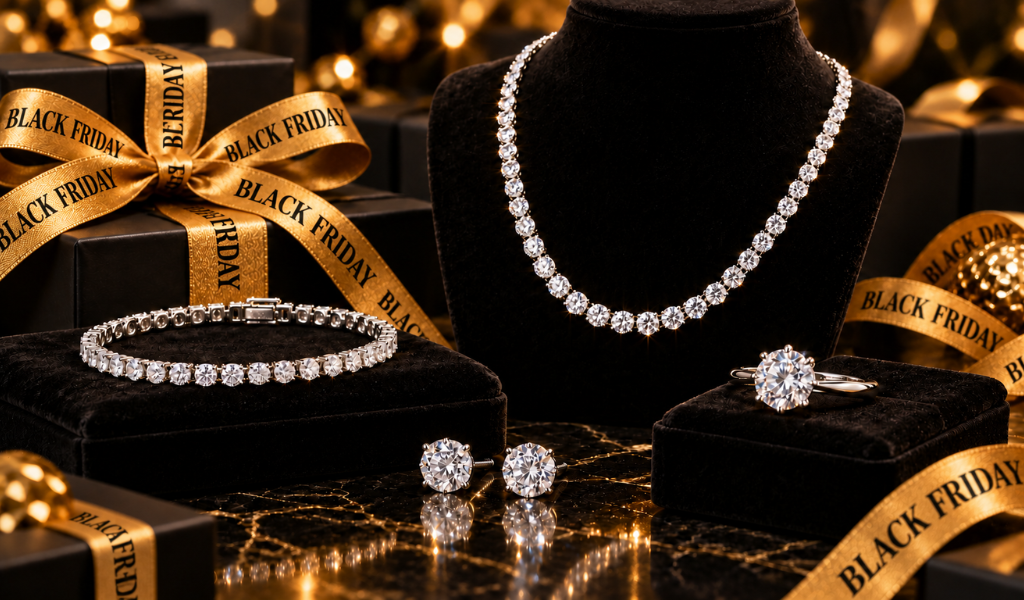

When deciding whether to buy natural or lab-grown diamonds, this is likely the first major decision you'll make when purchasing rings, earrings, etc., that you'll keep for years. Both types of diamonds are real; therefore, the question is less about quality than many people think and more about which factors matter most to you and where you want to invest your funds. Once you understand the differences, the decision becomes much simpler.
How Natural Diamonds and Lab-Grown Diamonds Differ?
What makes the two stones so different is where the raw material for each is found. A naturally occurring diamond is formed at extremely high temperatures and pressures within the Earth's crust for many millions or billions of years. In contrast, an artificial (lab-grown) diamond is created in a laboratory using chemical vapour deposition (CVD) or high-pressure, high-temperature (HPHT) technology. Because both types of diamonds are composed of carbon with the same atomic structure, they have the same hardness, provide the same brilliance when polished, and can withstand the rigours of everyday use. No visual clues can distinguish one type of diamond from another. Even a professional gemologist needs specialised equipment to determine whether a diamond is natural or synthetic definitively.
That's why where the stone comes from is an emotional part of making a choice. Many people are excited about owning a stone that has existed for millions or billions of years, while others prefer a stone produced with modern technology that has less impact on the Earth. There is nothing wrong with either feeling; however, it is important to be truthful with yourself about what matters most to you.
Price: What You Pay for Natural Diamonds and Lab-Grown Diamonds
Most people notice the price difference first. Lab-made: In 2026, lab-made stones typically sell for about 70% less than mined stones of the same size and quality, and many sellers report much lower prices. Put another way, a budget that would let you buy a modest one-carat mined diamond may let you buy either a larger stone (two carats) or a cleaner stone if you choose lab-made.
However, diamond costs are changing. The cost of lab-grown diamonds continues to decrease as more are produced, and the cost of natural diamonds is also decreasing. It's wise to compare actual diamonds side by side on the day of purchase, rather than relying on a number you saw several months earlier. At Divour Diamonds, we will gladly display both lab-grown and natural diamonds at our Hatton Garden showroom so you can see exactly what your money can buy before you commit.
Resale Value: Mined Stones vs Lab Made Stones
This is the part people don’t like hearing. Neither type is a proper investment, because jewellery almost always sells for less than you paid at retail. Mined stones have the older and more established second hand market, so they tend to hold more of their value, while lab stones usually resell for a much smaller share and their prices may keep falling. Sources quote very different figures, so be wary of anyone who promises you a precise percentage.
If you buy a lab-grown diamond expecting it to rise in value, you’ll probably be disappointed. But if you buy it to wear and enjoy, and you’re happy with the saving you made on day one, then resale stops mattering much.
Certificates, Grades and Where Your Stone Comes From
A certificate matters for both types. With a mined stone, the full 4Cs (cut, colour, clarity and carat) tell you a lot, and prices change a great deal between grades. Most lab stones now sit in a narrow top band of colour and clarity, so the grade gap between two of them is often tiny, which means cut quality and the certificate become the things worth paying attention to. GIA brought in a new reporting system for lab-grown stones in late 2025, and IGI is another respected lab, so ask which report comes with your stone and read it properly.
Sourcing deserves a little scepticism as well. With a mined diamond, ask where it came from and what proof the seller can show. With a lab stone, don’t take a blanket claim of “eco-friendly” at face value, because it depends on how the lab is powered, so ask the question and expect a straight answer.
Buy Natural Diamonds If Rarity and Heritage Matter to You
Natural suits you if you like the story of a stone that formed over billions of years, or if you want something traditional to pass down the family. It also makes sense if you’re after a coloured diamond, where natural rarity really does justify the price, or if you want the stronger resale market, even though it will still sit below what you paid.
Choose Lab-Grown Diamonds If Size and Value Matter More
Lab grown suits you if you’d rather have a bigger or cleaner stone for the same money, and you care more about how it looks than where it started. It’s also a good fit if you plan to wear the piece every day instead of treating it as an investment. If you’re starting with a ring, our lab-grown engagement rings are a good place to compare shapes and settings.
Making Your Final Choice
The easiest way to decide is to hold each under similar lighting and see which you prefer. Whether you choose a natural diamond (rare, good resale) or a lab-grown diamond (bigger for the price), make sure you buy from a reliable source that provides an accurate description of the stone and issues a valid certificate. Ultimately, the best option will likely be the one you won't regret in twelve months.