Sign In
 Create an
Account
Create an
Account




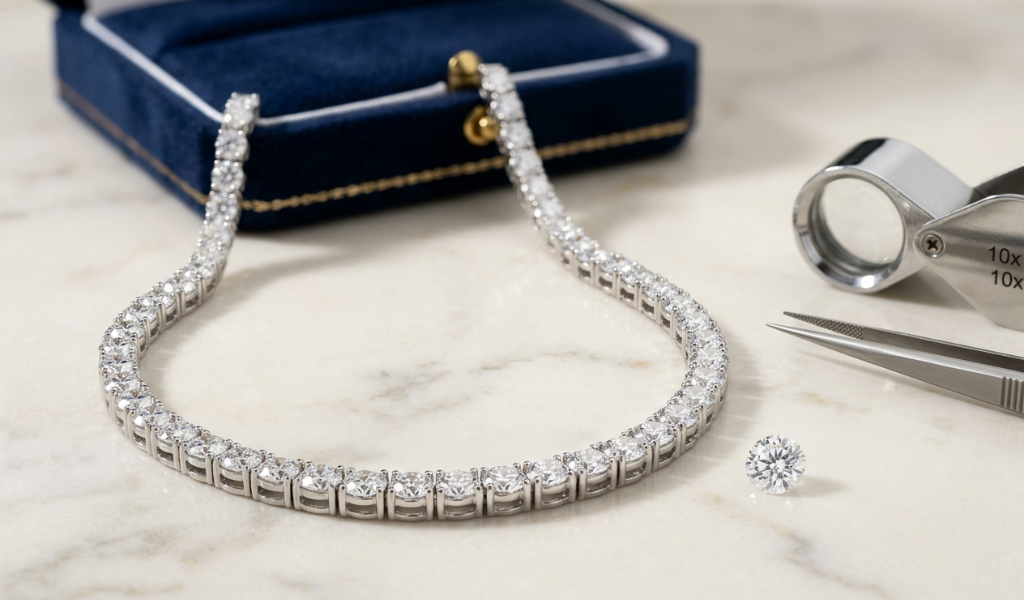

What Makes a High-Quality Lab-Grown Tennis Necklace?
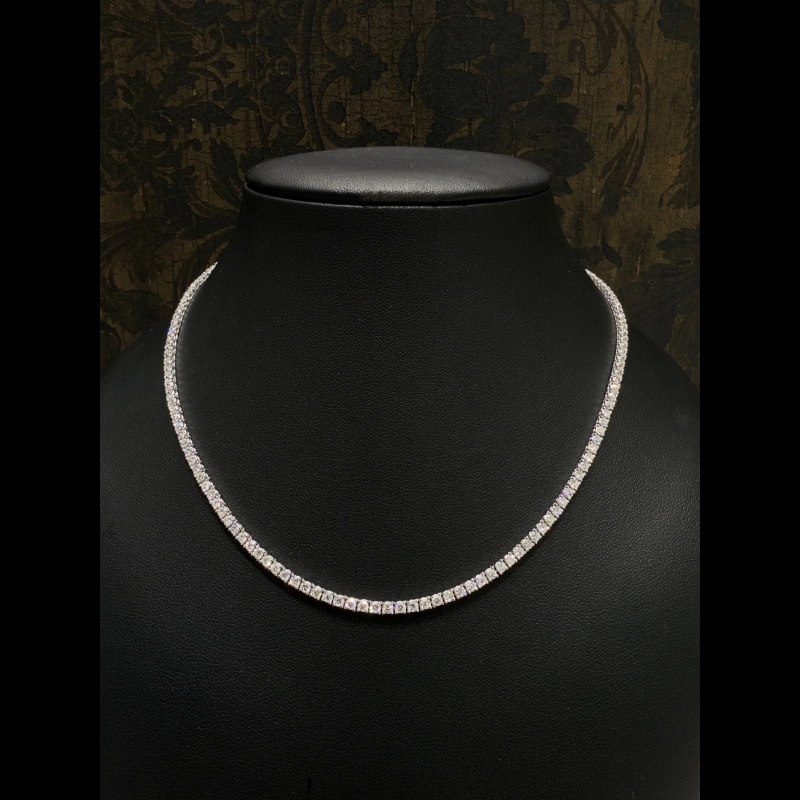
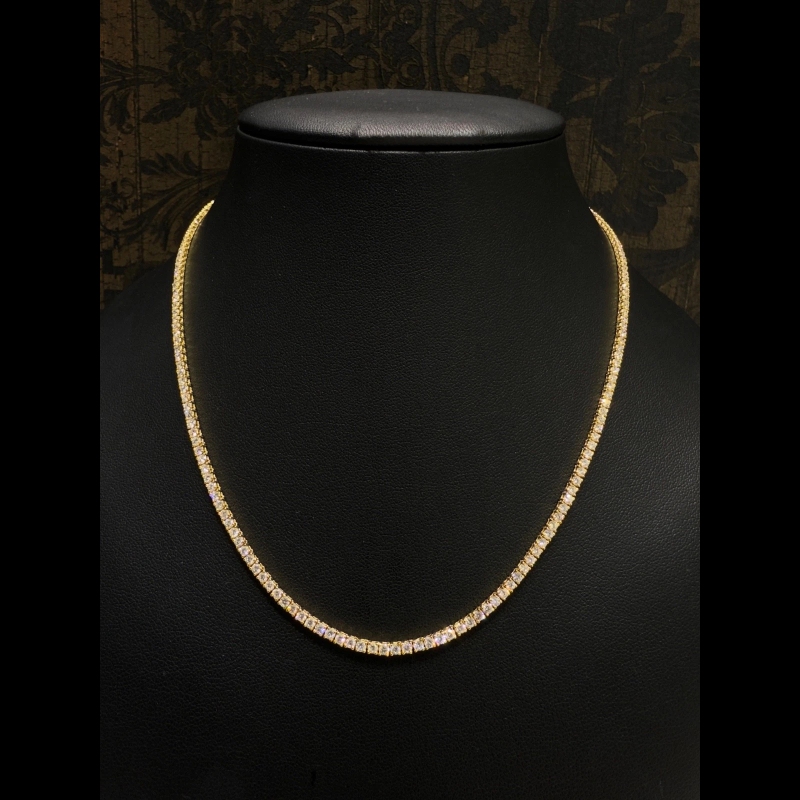
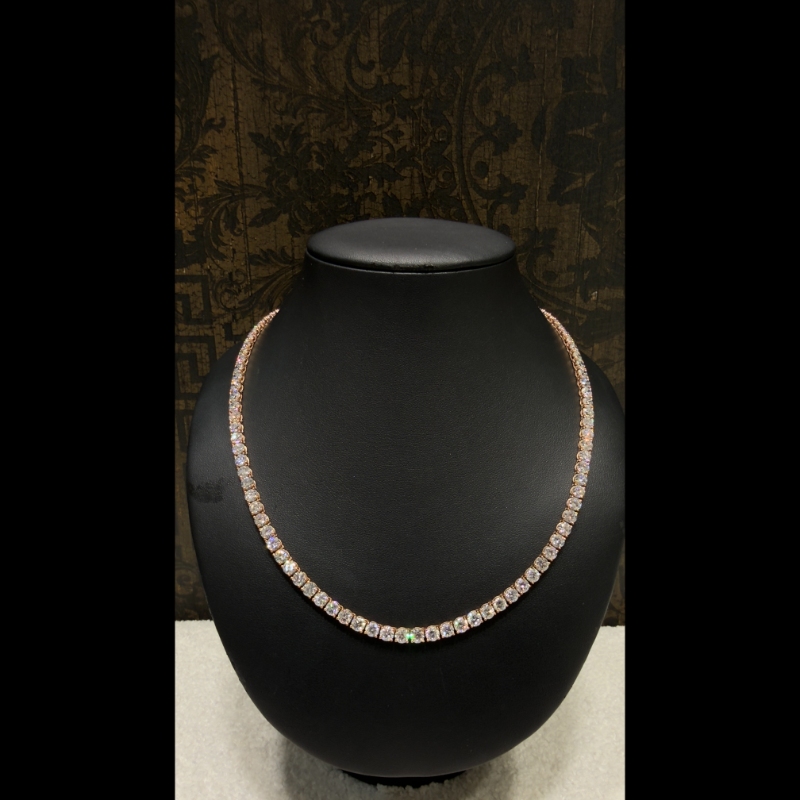
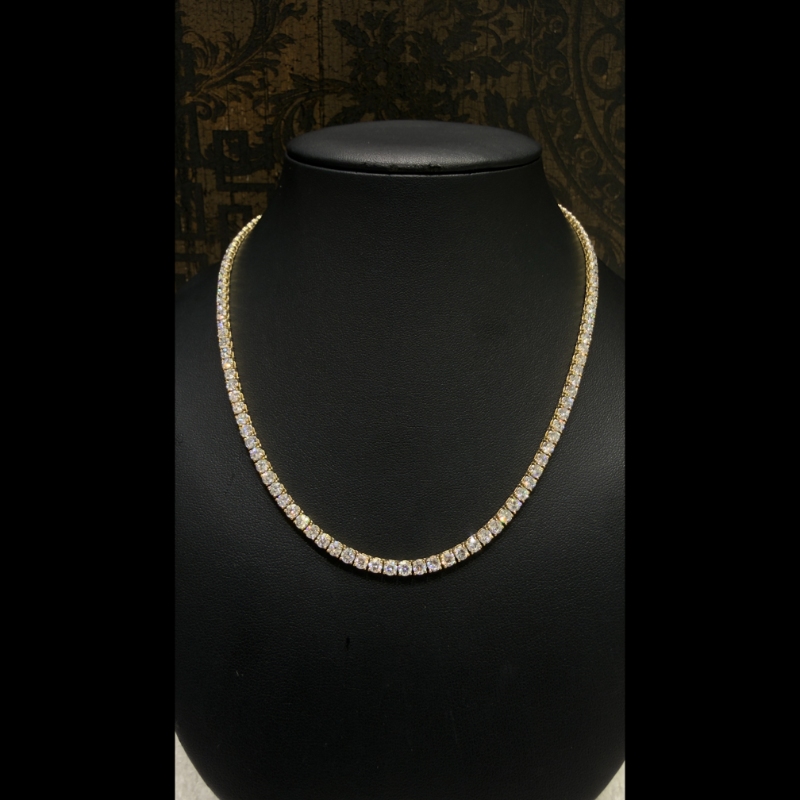
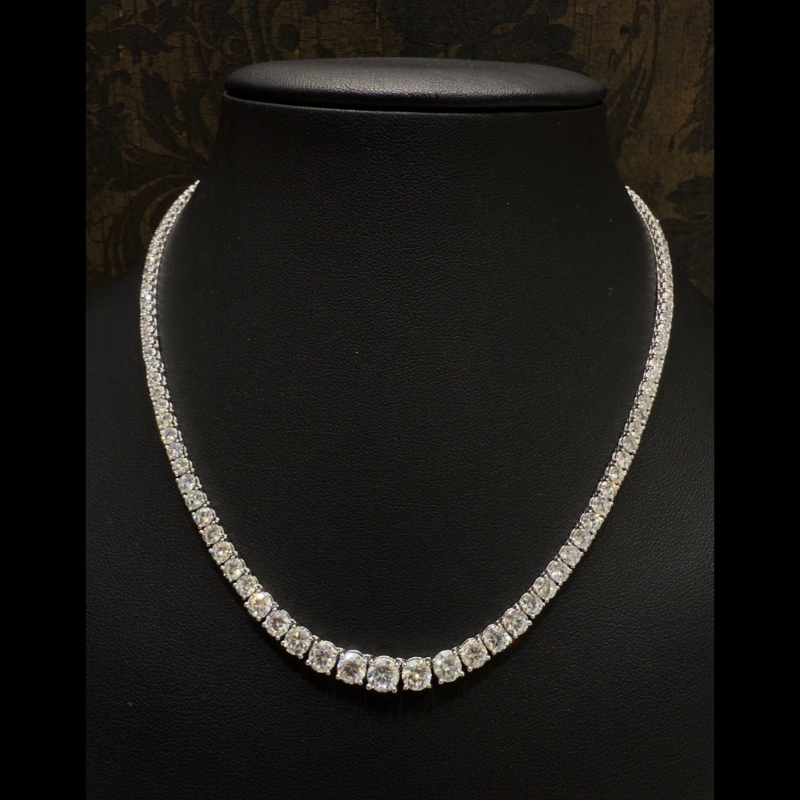
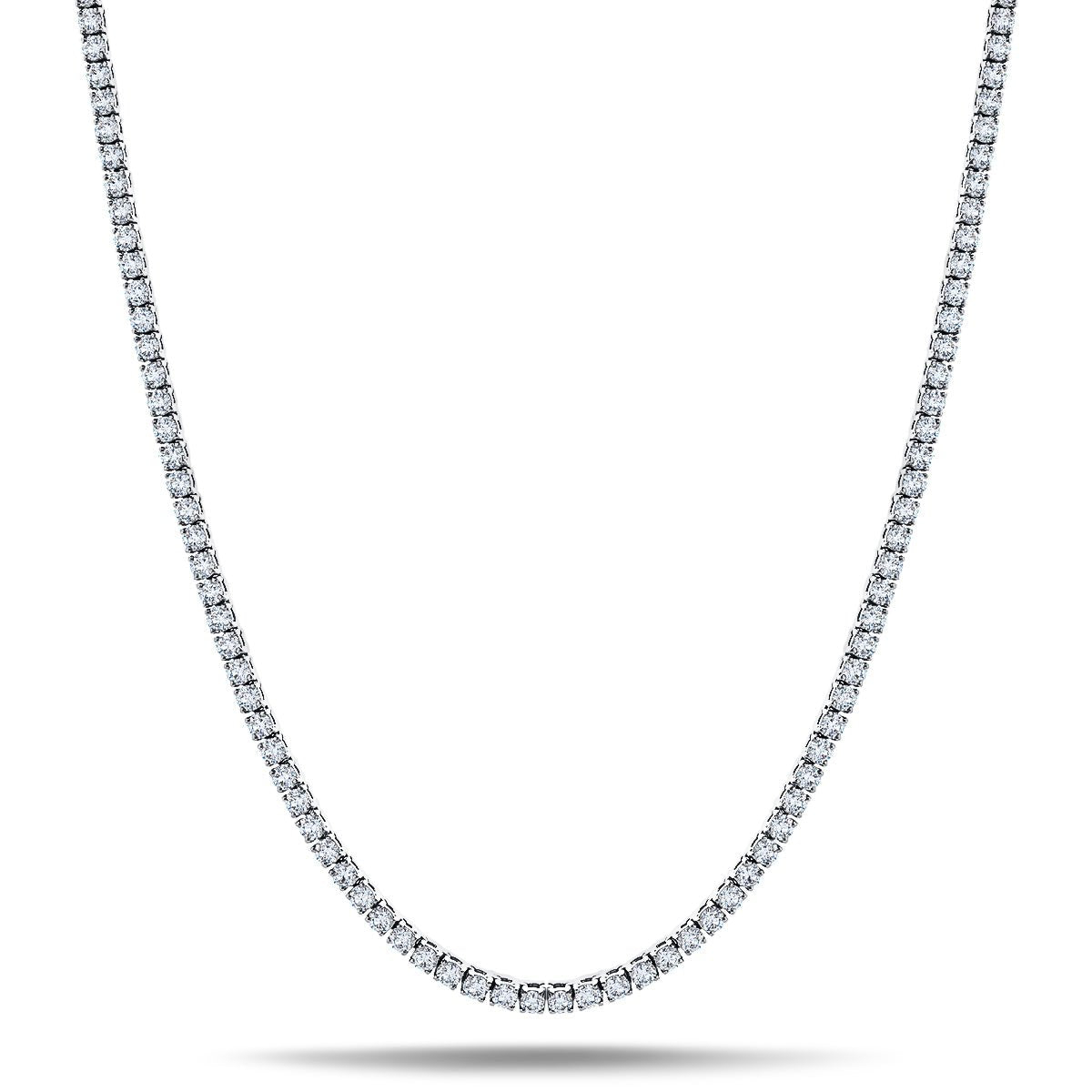
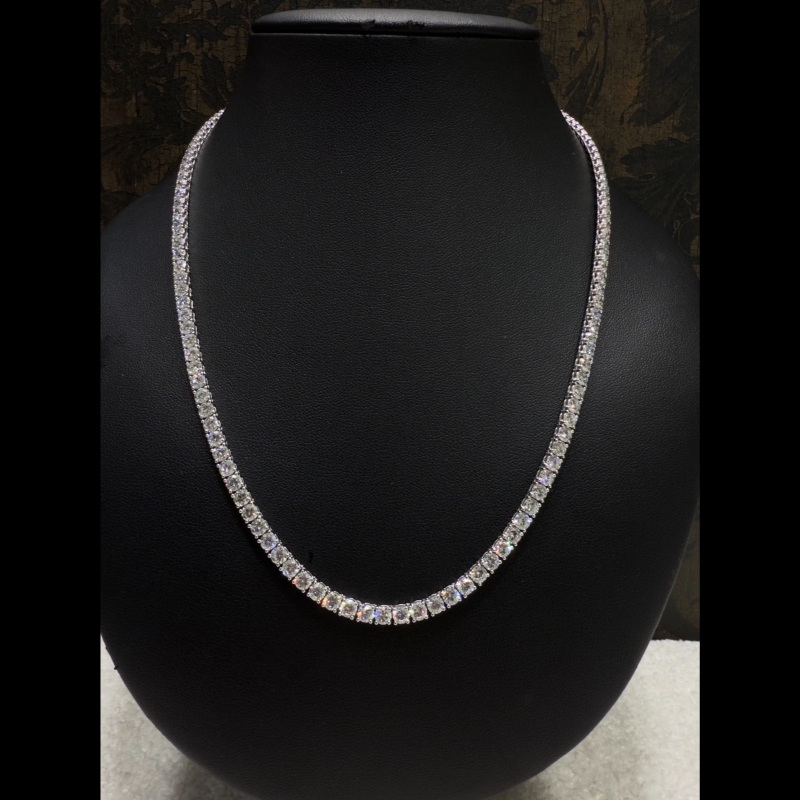
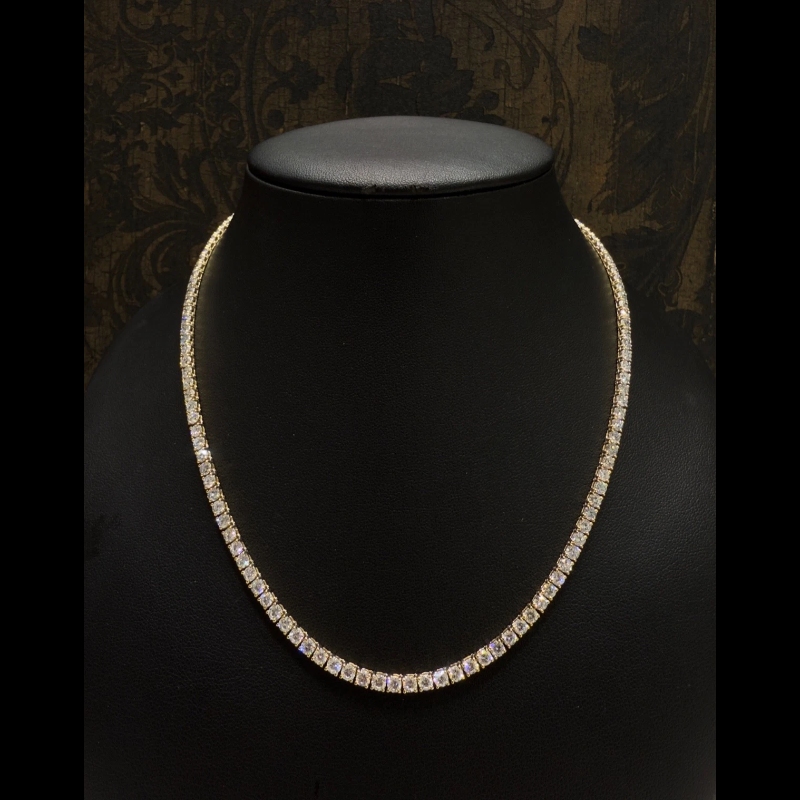
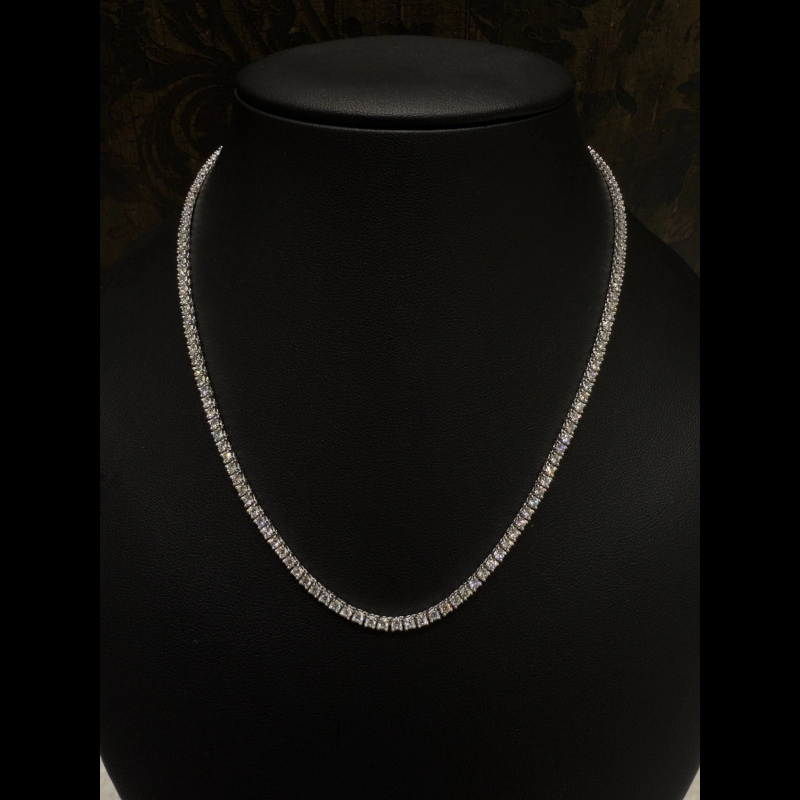
There is more to the dazzle of a high-grade Lab-Grown Tennis Necklace. The diamonds will catch the eye, of course, but the overall quality of the piece depends on how all of the elements function together. The diamonds need to be properly matched for size, colour, and example so that the necklace has a balanced and uniform look from end to end. The settings should hold each diamond securely without obscuring its brilliance, and the links should move freely so the necklace will sit comfortably around the neck. High-quality workmanship is also vital since even the most brilliant diamonds can lose their lustre when set in poorly made settings. A well-made necklace looks attractive when worn and remains secure and sturdy for years of daily wear.
Check the 4Cs Before Buying a Lab-Grown Tennis Necklace
The 4Cs remain the most trusted standard for evaluating diamond quality, whether the diamonds are mined or created in a laboratory. Understanding these four factors allows buyers to compare different necklaces with confidence and make informed decisions rather than relying only on appearance or price.
Cut Creates the Most Sparkle
The way a diamond is cut affects its sparkle more than anything else because it dictates how well light bounces through the stone. If two diamonds have the same colour and example grades, but one has a cut of Excellent or Very Good, it will be brighter, livelier, and more eye-catching than the one with a bad cut. A diamond tennis necklace is one where consistency is key. The idea is for each diamond to reflect light in the same way, creating a continuous line of brilliance across the necklace. This impression can be ruined, and the overall visual attractiveness decreased by unevenly cut diamonds.
Choose the Right Colour Grade
Diamond colour grading runs from D to Z, with D being the most colourless stones. For most purchasers, diamonds in the D to H category represent a great blend of quality and pricing. More importantly, each diamond in the necklace should be nearly matched in terms of colour grade. If the stones differ significantly in hue, the difference will be seen throughout the necklace and will impact the overall look. A uniform colour grade gives a clean, bright, and elegant finish that accentuates the beauty of the whole piece.
Clarity Matters More Than Many Buyers Realise
Example means the natural internal features and minor surface qualities that are found in a diamond. Most inclusions cannot be seen with the naked eye, but if you select diamonds with the right sample grades, the diamond will appear cleaner overall. VS1, VS2, and SI1 grades are generally suggested because they offer very good visual quality, yet are more affordable than flawless diamonds. Tennis necklaces feature a lot of diamonds; therefore, the overall consistency between all of the stones is usually more significant than selecting the best possible example grade for individual diamonds.
Balance Carat Weight with Wearability
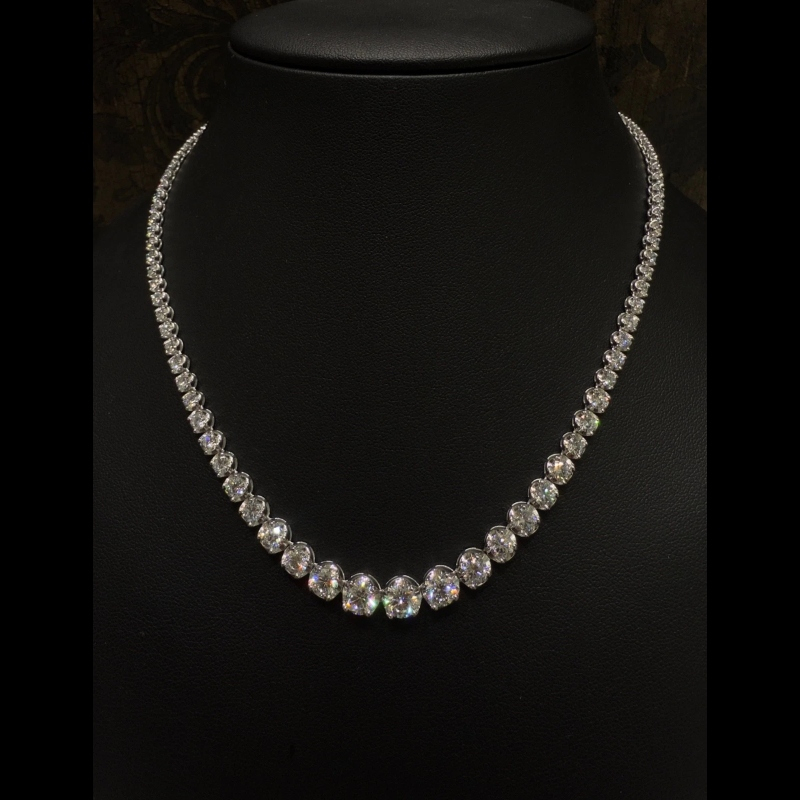
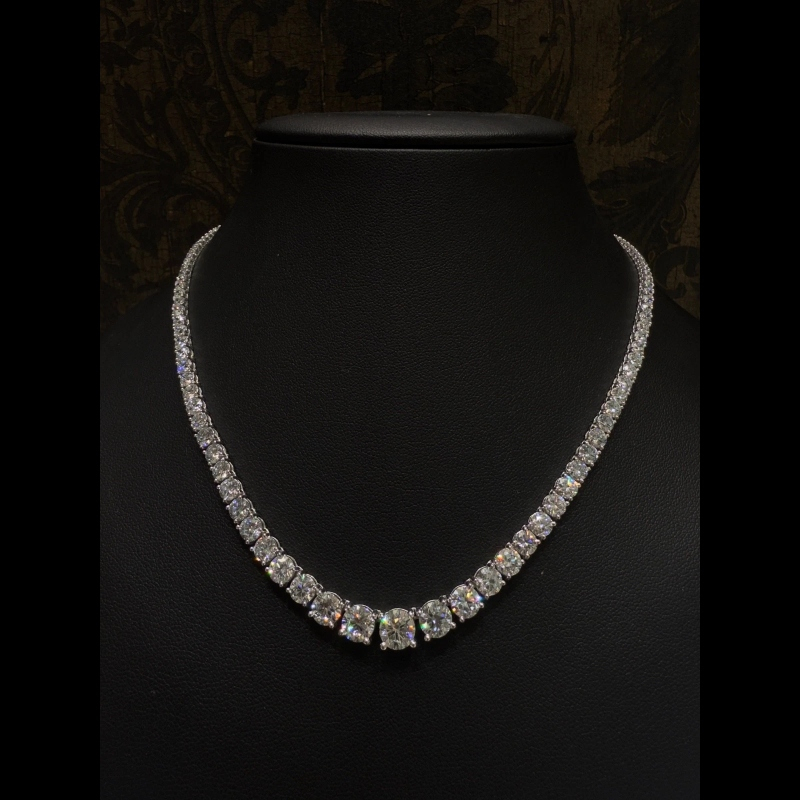
Carat weight influences the size and presence of the necklace, but it should never be the only factor when making a purchase. Larger diamonds naturally create a bolder look, while smaller diamonds offer a more delicate and versatile appearance that can easily be worn every day. A well-designed necklace with evenly matched diamonds often appears more luxurious than one featuring larger stones with inconsistent quality. Choosing the right carat weight ultimately depends on your personal style, budget, and how you plan to wear the necklace.
Examine the Necklace Setting and Craftsmanship
A tennis necklace is not just about the diamonds, it is about the craftsmanship that holds it all together. Every setting should secure the diamond, but also let enough light penetrate to optimise brilliance. Prongs should be evenly spaced, polished smooth, and without sharp edges. The links should have a natural feel, neither too stiff nor too loose, so that the necklace sits comfortably around the neckline. You also need to be very careful with the clasp, since this little part has a crucial role to play in safeguarding your jewels. A sturdy clasp with an added safety feature provides peace of mind and helps prevent unintentional loss. Fine craftsmanship is characterized by attention to the smallest detail, and this is frequently where the difference between premium jewellery and lower-quality alternatives is made.
Always Ask for Diamond Certification
One of the easiest ways to verify quality is by asking for an independent diamond grading certificate. Reputable jewellers commonly provide certificates issued by recognised organisations such as the International Gemological Institute (IGI), which assess the cut, colour, clarity, and carat weight of the diamonds. Certification provides reassurance that the information presented by the retailer has been independently verified. When purchasing lab-made diamond Necklace designs, a grading report also confirms that the stones are genuine lab-grown diamonds rather than diamond simulants. Choosing certified jewellery gives buyers greater confidence and makes it much easier to compare products from different retailers.
What Diamond Shape Works Best?
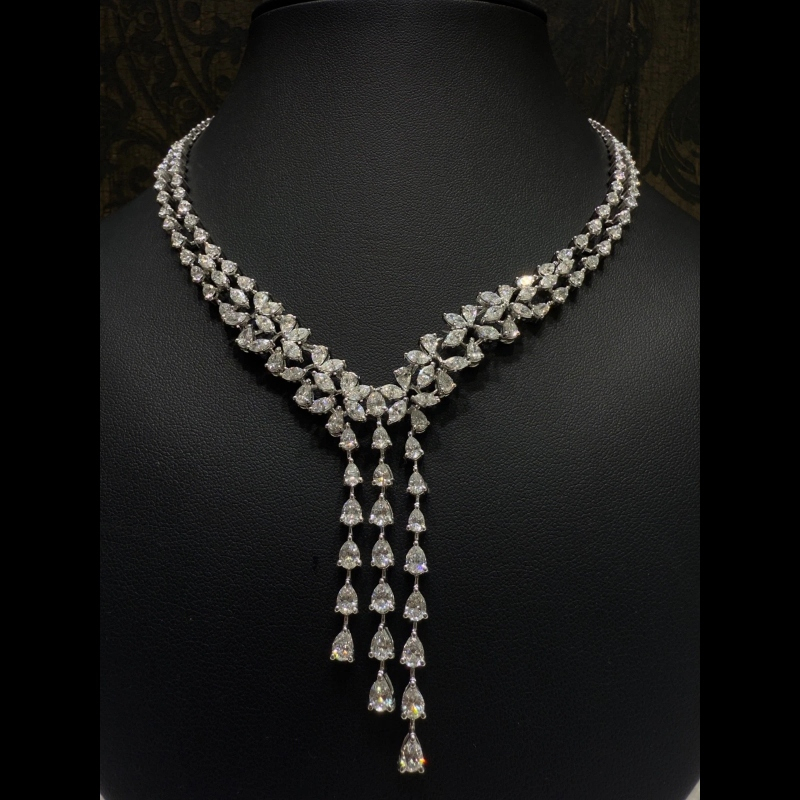
Round brilliant diamonds continue to be the most popular choice for a Lab-Grown Tennis Necklace because they deliver exceptional sparkle and create a timeless appearance that suits almost every occasion. Their ability to reflect light evenly makes them ideal for necklaces designed to produce continuous brilliance. However, buyers looking for something slightly different may prefer princess, oval, emerald, or cushion cut diamonds. These shapes each offer their own distinctive character while maintaining the elegance expected from fine jewellery. Whatever shape you choose, consistency remains essential. Every diamond should match in shape, size, and overall appearance so that the necklace looks balanced and professionally crafted.
Signs of Poor Quality You Should Avoid
Recognising poor quality before making a purchase can prevent unnecessary disappointment later. Uneven diamond sizes, noticeable colour differences, rough metal finishing, and loose settings are all signs that the necklace may not have been crafted to a high standard. Gaps between diamonds or links that feel stiff can also indicate lower-quality manufacturing. Buyers should also be cautious of products offered at prices that seem unusually low. While lab-grown diamond jewellery generally costs less than mined diamond jewellery, producing well-cut diamonds and high-quality settings still requires skilled craftsmanship and premium materials. Reading customer reviews, checking certifications, and carefully reviewing product specifications can help identify reputable retailers and avoid poor-quality products.
Where Should You Buy a Lab-Grown Tennis Necklace?
The retailer you choose can be just as important as the necklace itself. Established jewellers often provide detailed product descriptions, complete diamond specifications, professional customer support, and reliable aftercare services. They are also more likely to offer warranties, flexible return policies, and transparent pricing. If you are purchasing online, look for retailers that provide clear close-up images, verified customer reviews, and complete information about the diamonds used in each necklace. A trustworthy jeweller will be happy to answer questions about certification, craftsmanship, and product quality because they understand the importance of helping customers make informed decisions.
Conclusion
Choosing a Lab-Grown Tennis Necklace is about far more than selecting a design that catches your eye. The true quality of the necklace lies in the diamonds, the craftsmanship, the security of the settings, and the reputation of the jeweller behind it. By paying close attention to the 4Cs, checking for independent certification, examining the finishing, and purchasing from a trusted retailer, you can confidently choose a necklace that combines beauty with long-term durability. Whether you are shopping for a classic diamond tennis necklace or expanding your collection of lab-grown diamond jewellery, understanding these quality indicators will help you invest in a piece that continues to shine for years to come.