Sign In
 Create an
Account
Create an
Account




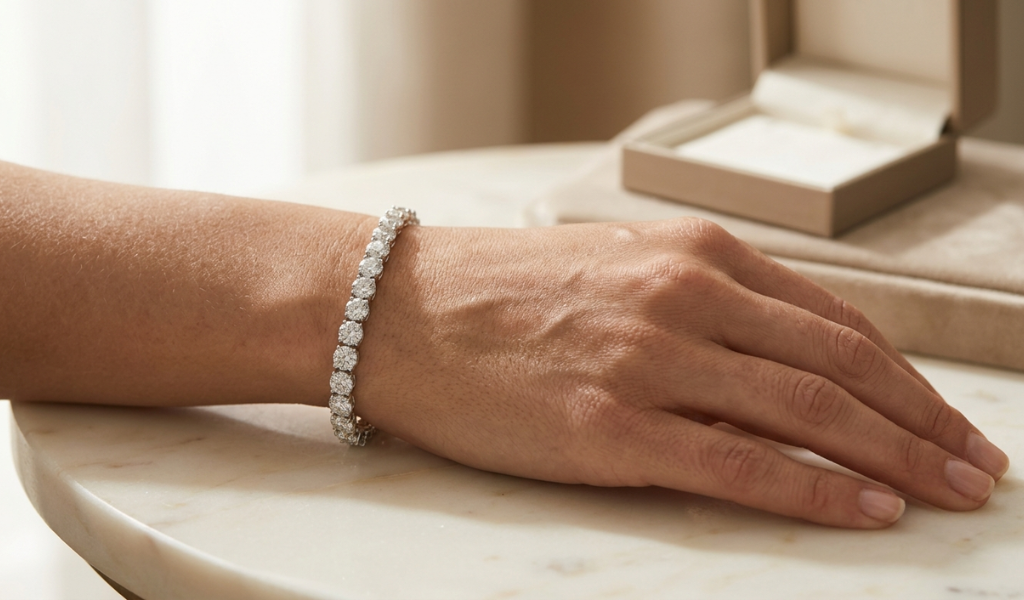

Lab-grown diamond bracelets are growing in popularity as a substitute for conventionally mined stones among jewellery purchasers who desire the brilliance, durability, and elegance of diamonds. But selecting the ideal bracelet requires more than just comparing costs or carat weights. The appearance, quality, and total value of your purchase can be affected by several factors, including the type of metal, certification, fit, bracelet construction, and UK hallmarking. You can choose an item that fits your budget and style by being aware of these variables before making a purchase.
What Distinguishes Lab-Grown Diamond Bracelets?
A lab-grown diamond is a real diamond that wasn't formed naturally over millions of years underground, but was produced in a controlled laboratory setting. Chemical Vapour Deposition (CVD) and High Pressure High Temperature (HPHT) are the two primary production techniques. The fundamental chemical makeup and physical properties of the diamonds produced by these techniques are identical to those of natural diamonds. Additionally, it is crucial to differentiate laboratory-grown diamonds from other materials that might mimic diamonds, such as moissanite and cubic zirconia. When perusing jewellery collections, consumers may also come across words like Lab Made Diamond Bracelets and Lab Created Diamond Bracelets. These words are typically used to denote laboratory-produced diamond bracelets.
What Is the Real Difference Between Lab-Grown and Natural Diamonds?
The origin of laboratory-grown and natural diamonds is the main distinction between them. While lab-grown diamonds are made with cutting-edge technology, natural diamonds are formed by geological processes. However, both can provide outstanding durability, hardness, and brilliance for the wearer. The well-known 4Cs—cut, colour, clarity, and carat are also used to evaluate both kinds. As a result, the decision mostly depends on individual priorities, financial constraints, and origin preferences. Although the ultimate cost varies depending on the diamond specifications, metal, style, craftsmanship, and retailer, lab-grown diamonds can give consumers the chance to explore larger or higher-quality stones within a given budget.
Comprehending Diamond Quality Beyond Carat Weight
Although carat weight is frequently the first feature that consumers see, it shouldn't be the only factor taken into account. The way a diamond reflects light and produces brilliance is greatly influenced by its cut. Clarity relates to both internal and outward features, whilst colour describes the degree of body colour present in the stone. Carat is not just a measure of size; it also measures weight. The total mix of these attributes may be more significant when buying a bracelet with multiple diamonds than choosing the best grade in a particular category. A design selected just for its higher total carat weight may not look as remarkable as a well-balanced bracelet with lovely, consistently matched stones.
What You Can Learn from a Diamond Grading Report?
It may be simpler to comprehend precisely what you are purchasing with independent grading paperwork. Diamond grading information is provided by reputable labs like IGI and GIA, though the kind of documentation available varies based on the stones and jewellery design. When thinking about lab-grown diamond bracelets, make sure the details match the retailer's description of the diamonds and that the appropriate grading documentation is provided. Instead of depending solely on the term "certified," carefully review the specifications and seek clarification from the seller if necessary. Making an informed purchase requires clear information about the origin, quality, and documentation of diamonds.
Choosing the Ideal Bracelet Design for Your Wardrobe and Wrist
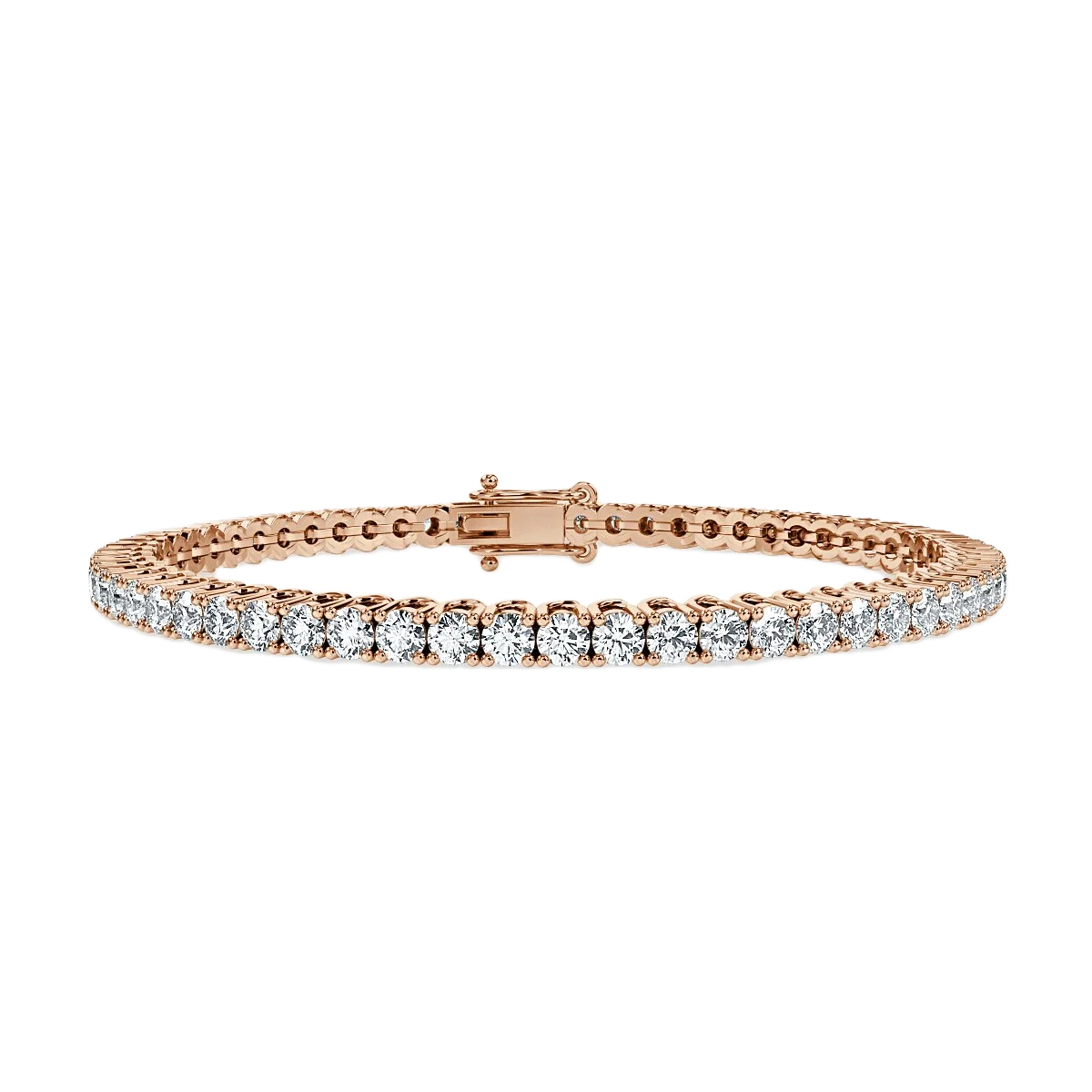
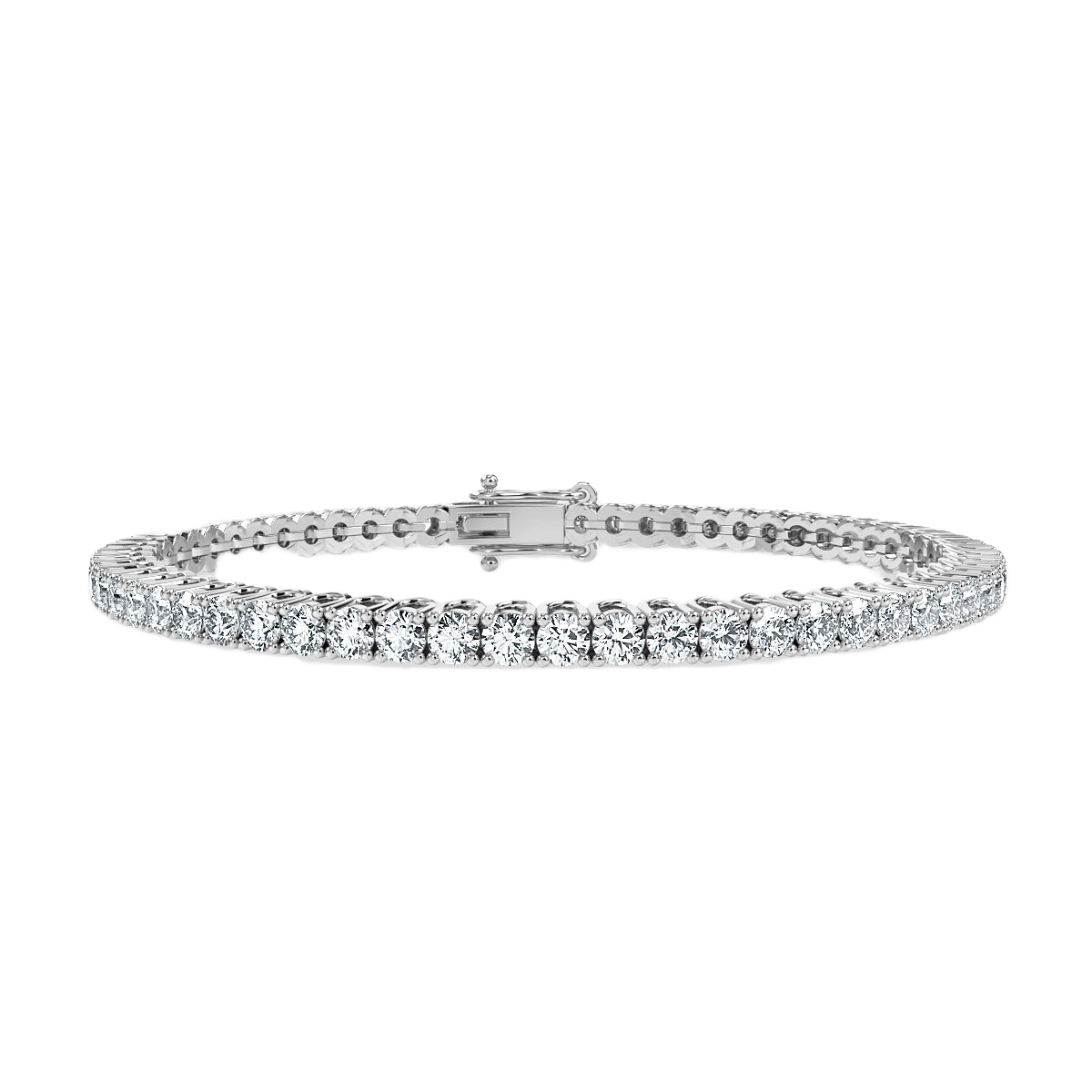
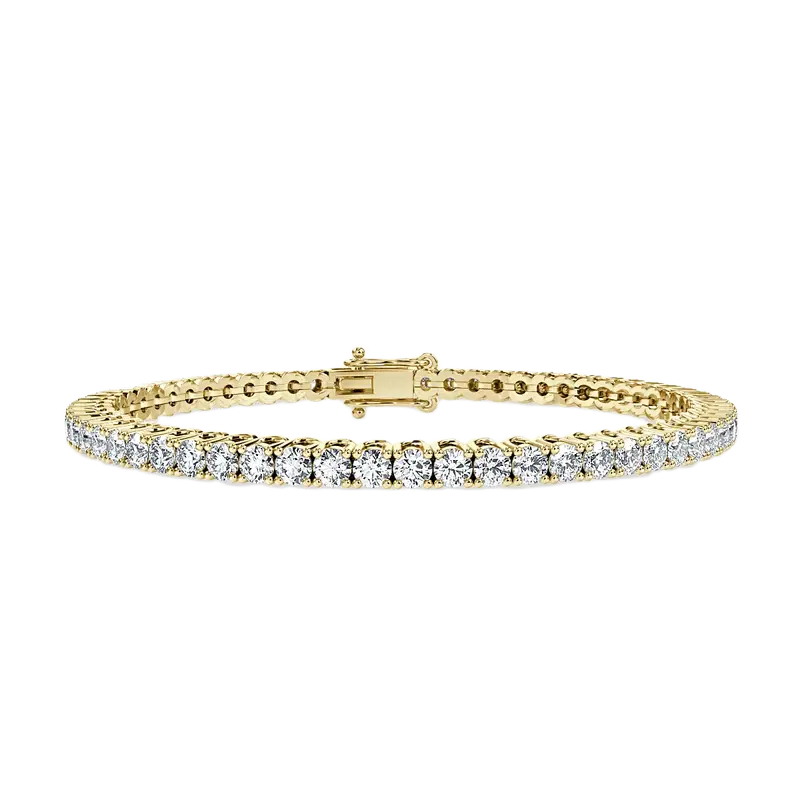
The ideal bracelet should be both stylish and comfortable enough for how you plan to wear it. Offering a continuous row of diamonds, a traditional tennis-style design complements both elegant evening ensembles and more polished daily attire. Other styles might have unique settings, ornamental links, or spaced stones. Both security and appearance are impacted by the environment. While other designs might provide more protection around individual diamonds, prong settings can let plenty of light reach the stones. Look for a secure fastening system that feels dependable without sacrificing comfort because the clasp is equally important, especially for bracelets worn frequently.
Gold, Platinum or Something Else?
The bracelet's price, durability, and appearance are all influenced by the precious metal used. White gold has a cooler appearance that can go well with bright, colourless diamonds, while yellow gold produces a traditional, warm look. Platinum is prized for its naturally white appearance and substantial feel, while rose gold offers a unique pink-toned finish. UK customers should also pay attention to hallmarking. Where applicable, an approved UK hallmark gives independent assurance of precious-metal purity. Always check the metal specification rather than relying solely on photographs or general descriptions, particularly when comparing jewellery at different price points.
The Details That Can Change the Value of Your Bracelet
The value of a bracelet is influenced by much more than total diamond weight. Diamond quality, metal purity, craftsmanship, setting design, brand reputation and supporting documentation can all affect the price. Two bracelets with similar carat weights can therefore have noticeably different prices. It is also important to distinguish purchase price from resale value. Jewellery should generally be bought because you appreciate its design and quality rather than with the expectation of guaranteed future returns. Market demand, retailer margins and changing consumer preferences can all affect resale prices.
Keeping Your Diamond Bracelet Looking Its Best
Regular care can help maintain the bracelet's appearance and protect its settings. Everyday products such as hand creams, cosmetics, and lotions can accumulate around diamonds and reduce their sparkle. Follow cleaning recommendations suitable for the particular metal and setting, and avoid unnecessary exposure to harsh chemicals. Store the bracelet separately from jewellery that could scratch its surface, and periodically check the clasp and diamond settings. Before wearing the item again, have it examined by a qualified jeweller if a stone seems loose or the fastening no longer feels secure.
Is Buying a Lab-Grown Bracelet a Wise Long-Term Investment?
For many shoppers, lab-grown jewellery offers an attractive combination of genuine diamond characteristics, design choice and potentially greater flexibility within a budget. The best purchase is one that balances appearance, quality, construction and price rather than focusing on a single specification. Before buying, compare the diamond details, metal, certification, craftsmanship, warranty and returns policy. A well-made bracelet that fits comfortably and suits your lifestyle can remain a versatile piece of jewellery for years.