Sign In
 Create an
Account
Create an
Account




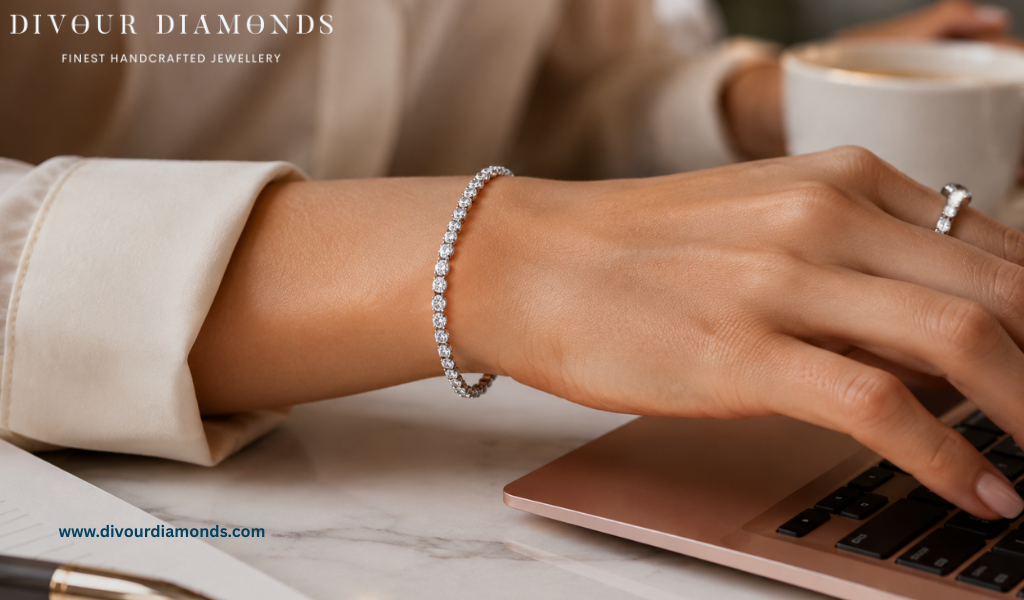

What Makes Diamond Tennis Bracelets Different?
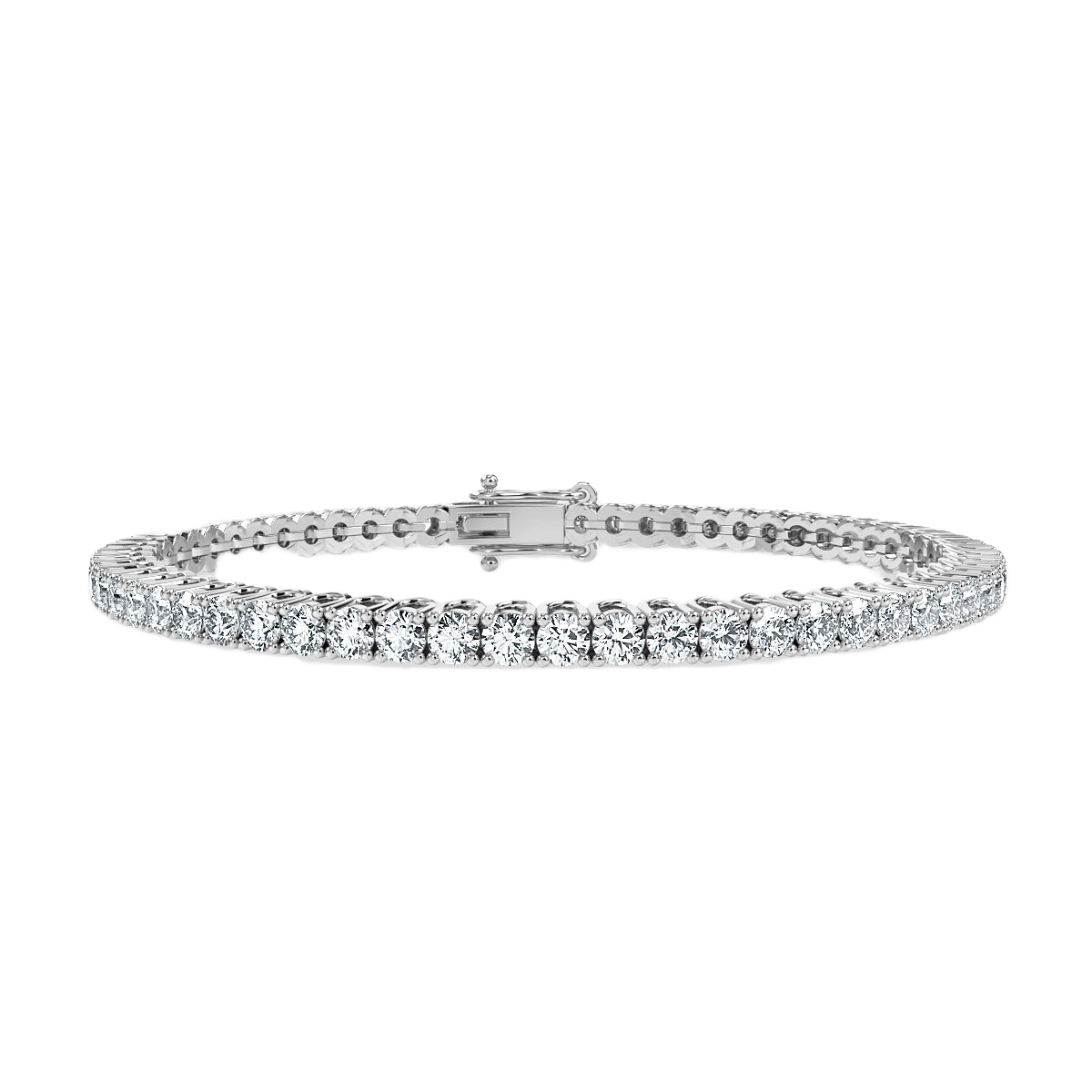
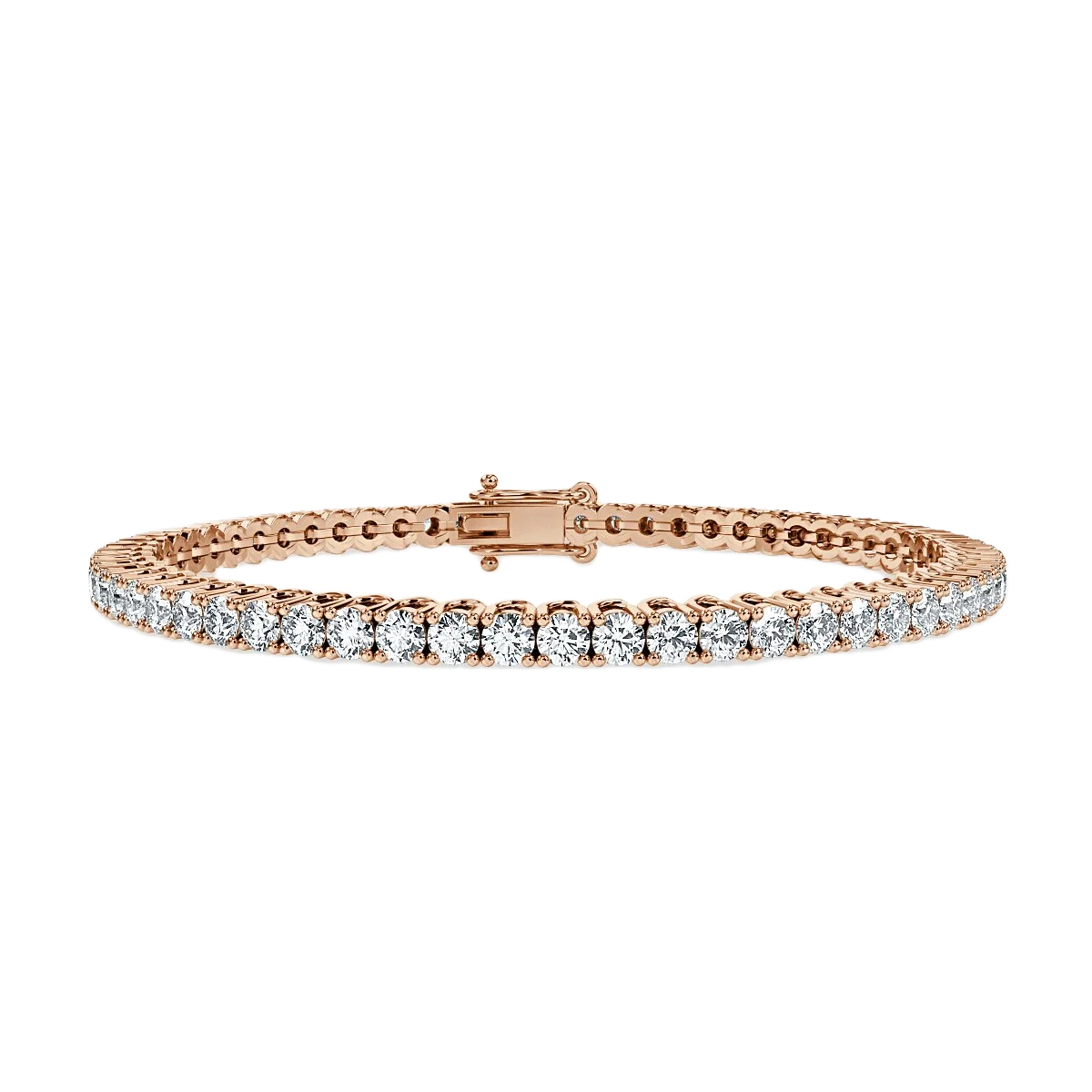
The name has a bit of history to it. A tennis player lost hers mid-match decades ago, stopped play to find it, and the name stuck. Strange how a small accident turns into a whole category of jewellery. What hasn't changed since then is the design itself: a single unbroken line of diamonds, set close together, moving with the wrist instead of sitting stiff against it. That flexibility is what separates it from a bangle or a cuff. It bends when you do.
And maybe that's the appeal. It doesn't feel like an event. It feels like something you forget you're wearing, until you catch it in a mirror and remember why you bought it.
Getting the Quality Right Without Overthinking It
People get nervous about the 4Cs, cut, colour, clarity, and carat, like there's a wrong answer waiting to trip them up. There isn't, not really. Cut affects how much the diamond sparkles under normal light, which matters more for everyday wear than people assume. Colour and clarity grades sit on a scale, and for a tennis bracelet you don't need the very top of it. A near colourless stone with a clean enough clarity grade still looks brilliant on the wrist, and honestly, most people won't be inspecting it with a loupe at a dinner party.
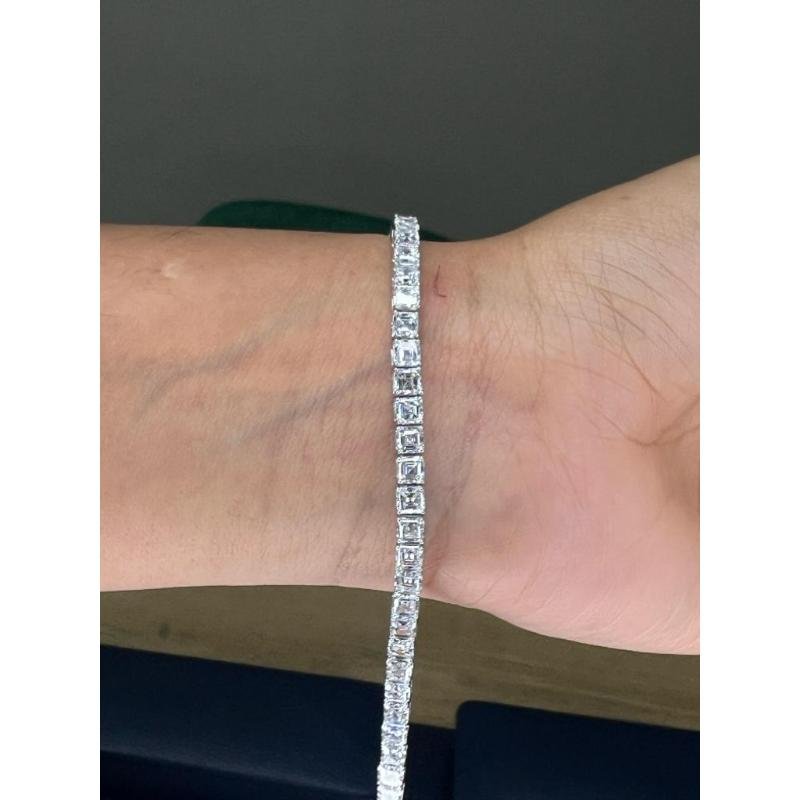
Carat weight is more personal. Some prefer a slim line of smaller stones for daily wear, something under five millimetres wide that disappears comfortably under a sleeve. Others want a heavier total carat weight for a bolder look. Neither is more correct than the other. It depends on how you actually live in your jewellery.
Choosing a Setting for Your Diamond Tennis Bracelet
This part gets overlooked, but it shouldn't. The setting decides how secure and how comfortable the bracelet feels over months of actual wear, not just how it photographs.
Claw settings, sometimes called prong settings, lift the diamonds slightly and let more light reach them. They sparkle more. Bezel, or rubover settings, wrap a thin rim of metal around each stone, which protects the edges better and suits anyone who's a bit rough on their jewellery, gardening, gym, whatever the day throws at it. Channel settings sit the diamonds flush within metal walls on either side, giving a smoother, almost seamless surface. There's no universally best option here. It's worth trying a few on, if you can, because the difference in how they sit against your skin is more noticeable than you'd expect from photos alone.
Diamond Tennis Bracelets in Different Metals
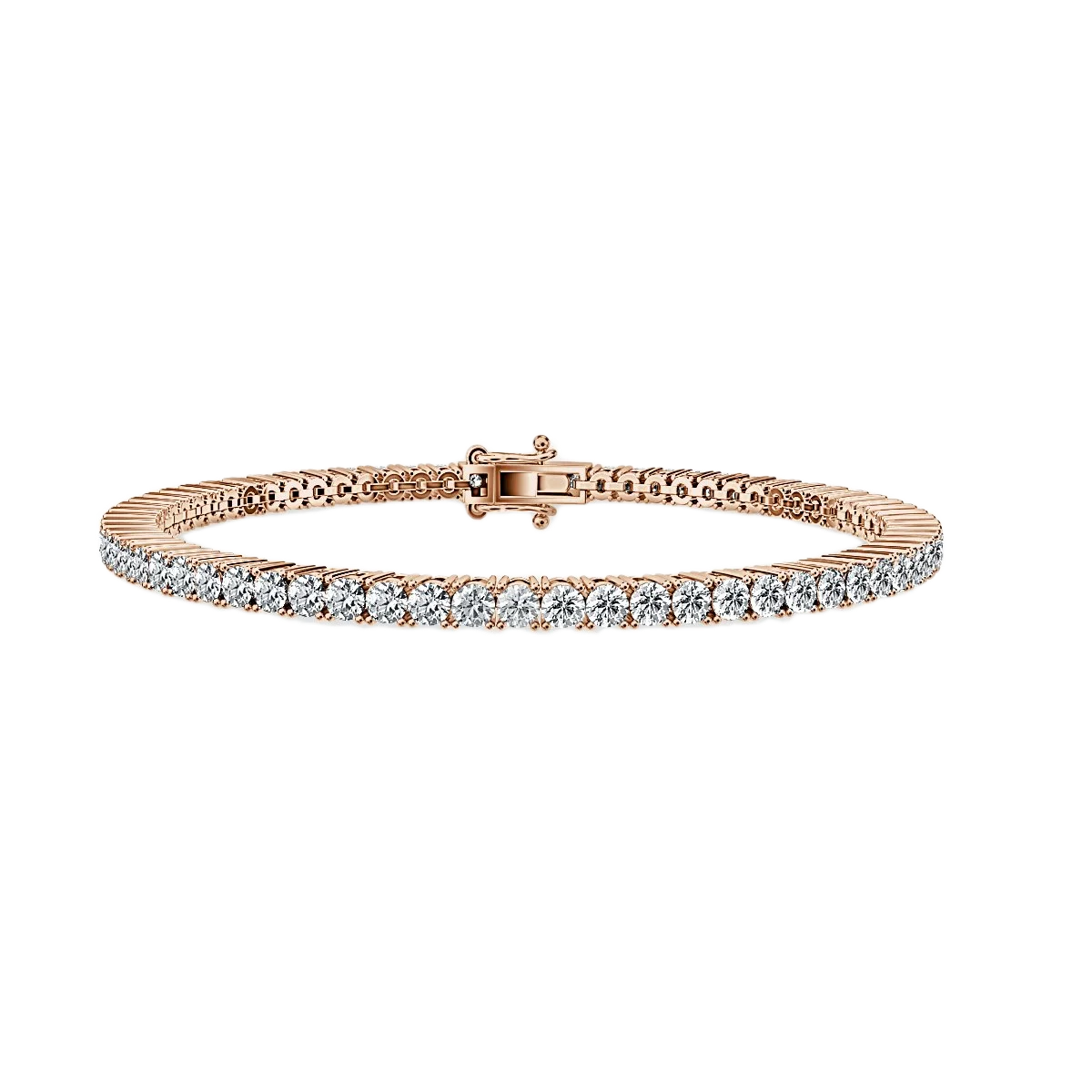
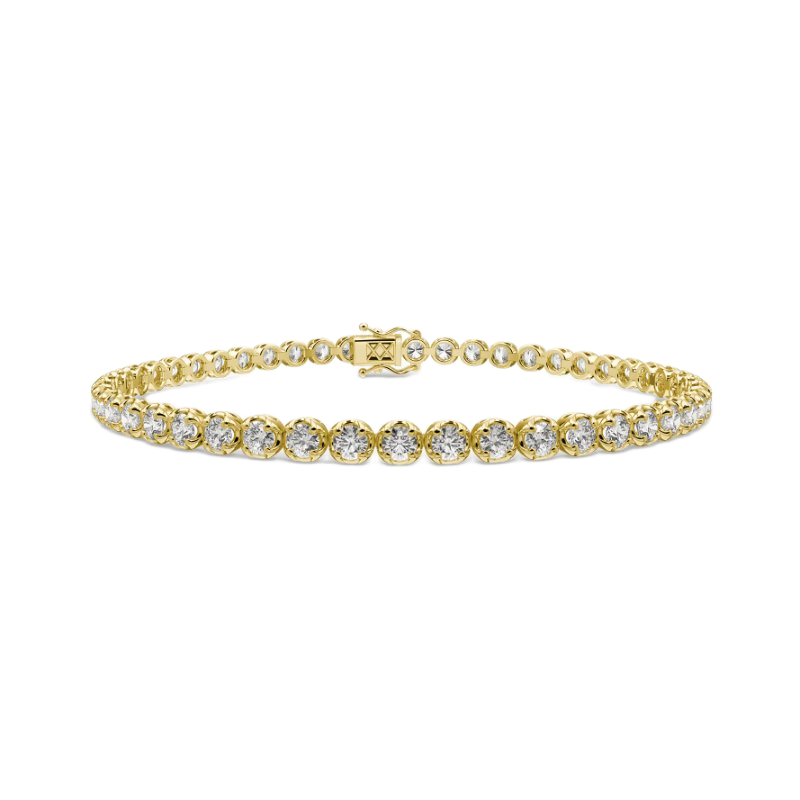
Metal changes the whole personality of the piece. White gold and platinum lean cool and modern, suiting cooler undertones, while yellow gold warms things up and tends to flatter warmer skin. Rose gold sits somewhere in between, soft and a little romantic without trying too hard. Platinum is the most durable of the lot, which matters if you're after something that genuinely gets worn every single day for years.
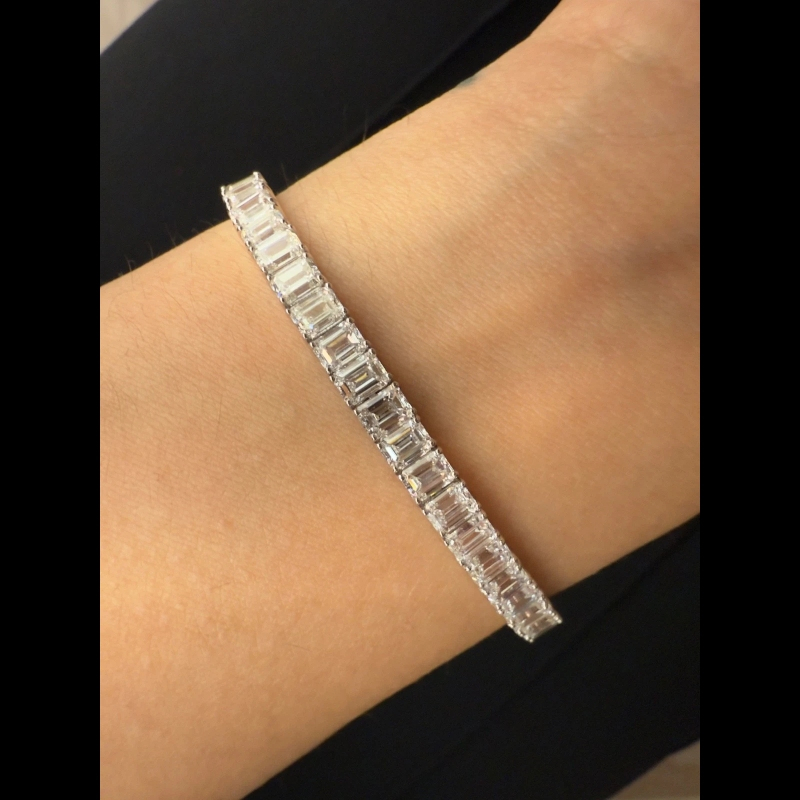
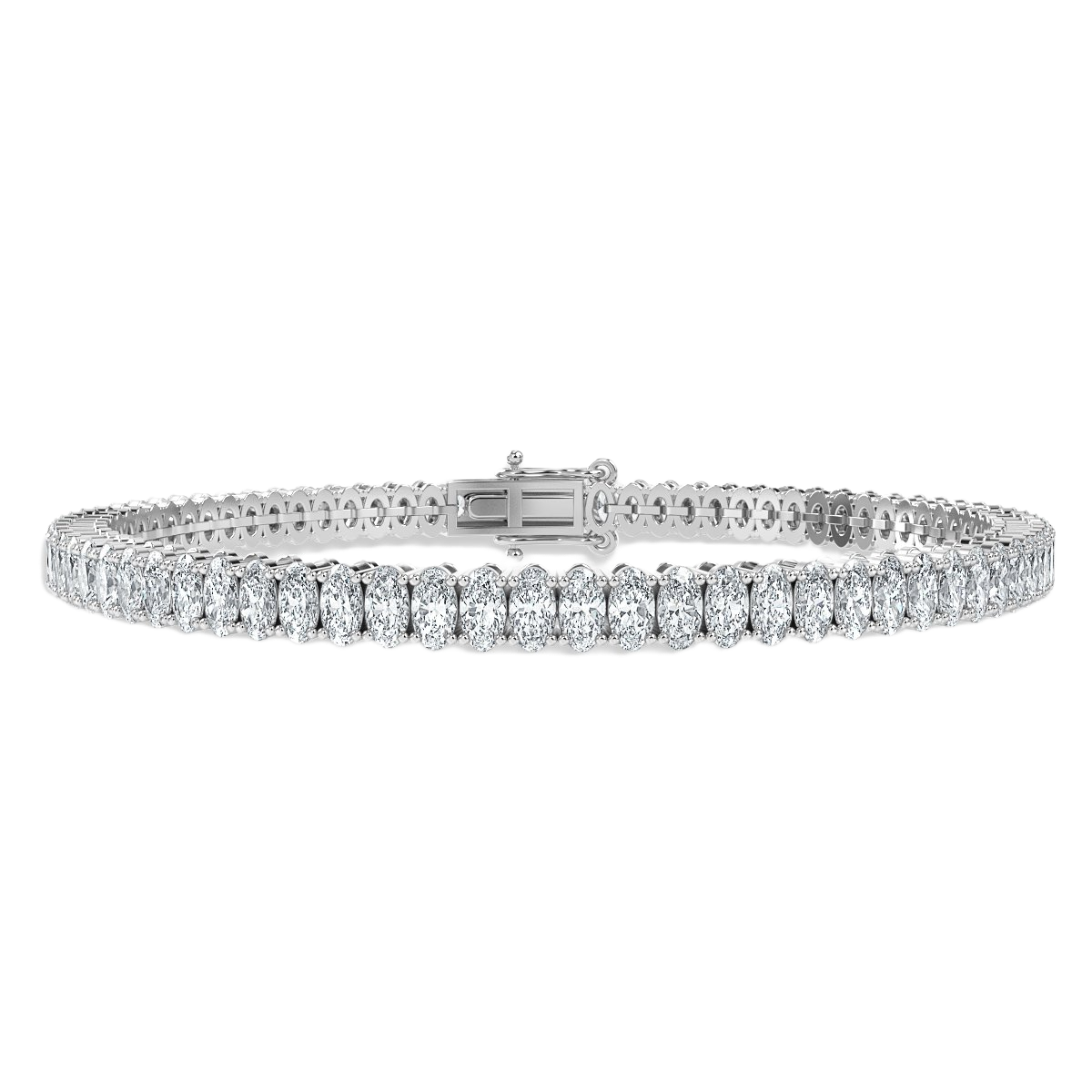
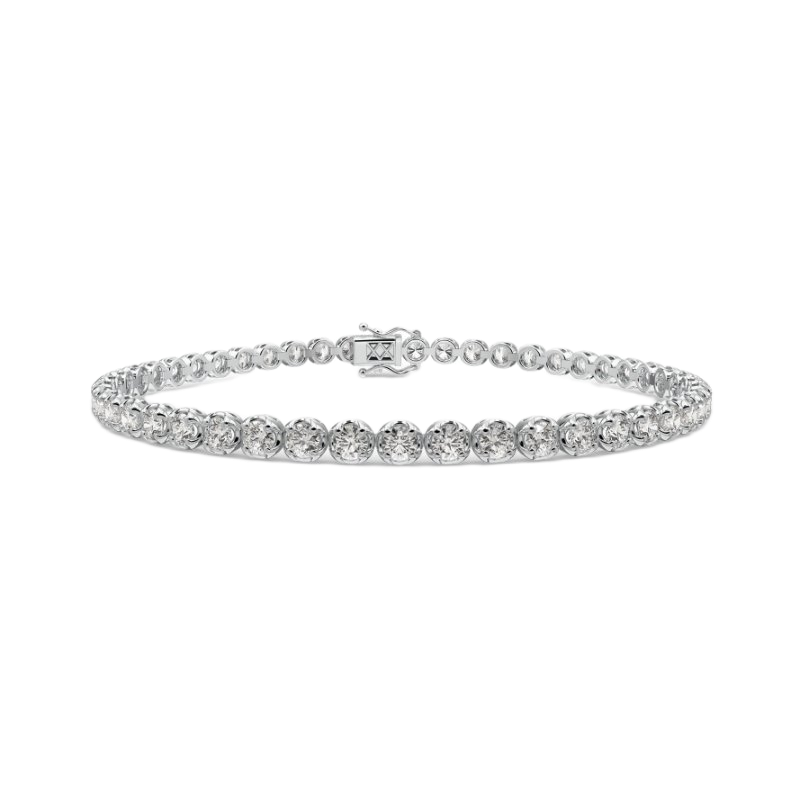
Divour Diamonds' collection of diamond tennis bracelets runs across all of these, sterling silver, white, yellow and rose gold, and platinum, with claw, bezel and channel settings across round, princess, emerald, oval and cushion cut stones. Useful if you're the type who needs to see options side by side before deciding, rather than picking from a single style and hoping for the best.
Natural or Lab-Grown, and Does It Actually Matter
Lab-grown diamonds are chemically identical to mined ones. Same hardness, same sparkle, same everything under a microscope, just grown differently. For everyday wear, there's genuinely no performance difference. The decision tends to come down to budget and personal preference more than anything technical, and there's no wrong choice here either. A lab-grown diamond tennis bracelet lets you go bigger on carat weight without the bigger price tag, which is part of why they've grown so popular lately.
Wearing It Without Overthinking It
Worn alone, it reads understated. Stacked next to a slim watch or a plain bangle, it reads a bit more intentional, like you put thought into it without trying too hard. Some people wear theirs on the same wrist every single day and never take it off except to clean it. Others rotate. There's no rulebook, and that's sort of the point of an everyday piece. It should fit into your life, not the other way round.
A Diamond Tennis Bracelet as a Gift
Anniversaries, milestone birthdays, a new mother who deserves something that isn't a card. These bracelets tend to get passed down, which says something about how people feel about them once they own one. Not just bought. Kept.