


 Sign In
 Create an
Account
Create an
Account




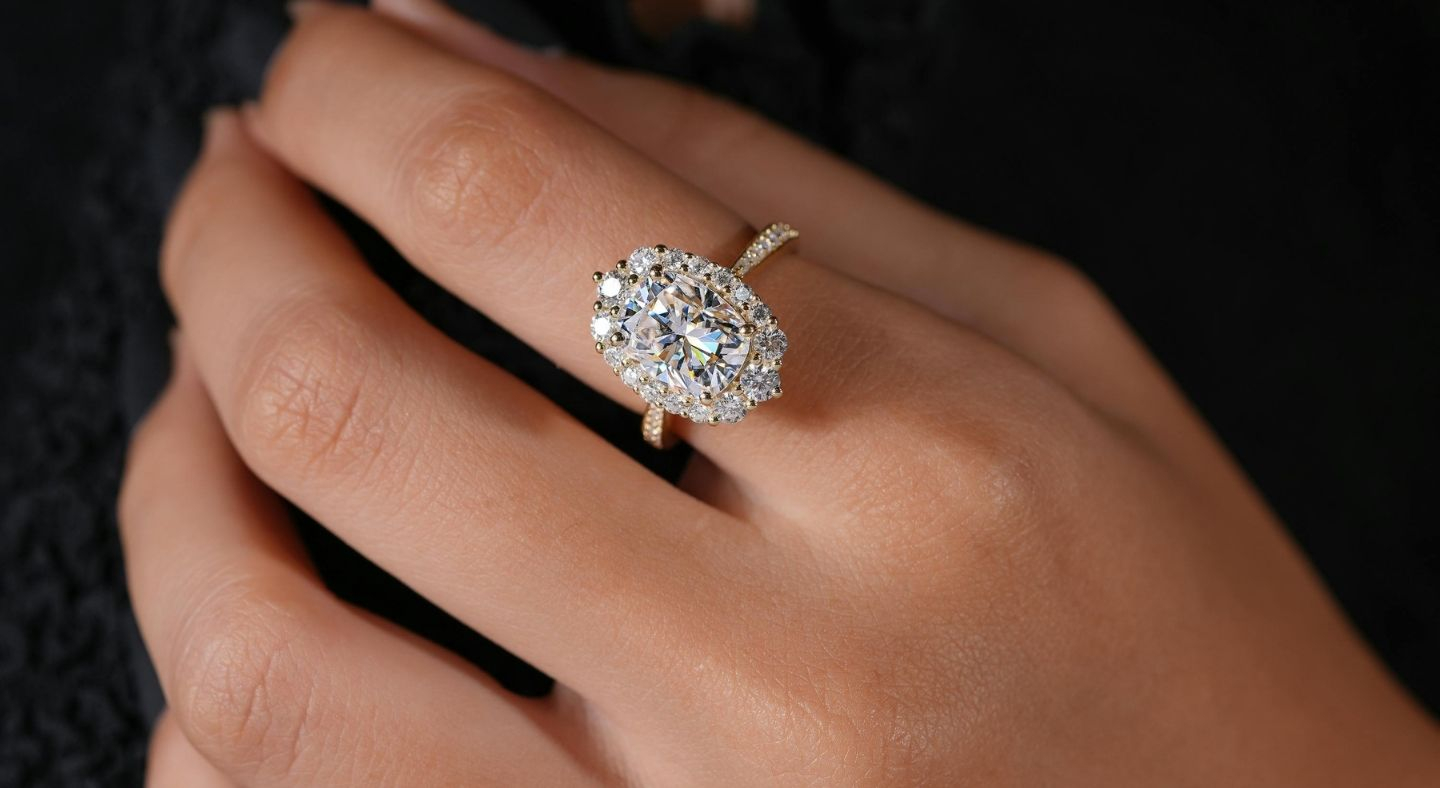

It’s not like picking out a shirt or even a phone. There’s this quiet pressure around it. Maybe it’s the price. Maybe it’s what it represents. Or maybe it’s just the feeling that one wrong choice and you’ll regret it every time you look at it.
That’s exactly why a proper diamond buying guide matters, especially if this is your first time and everything feels… a bit too technical.
A Diamond Buying Guide for Beginners Who Feel Slightly Lost
You’ll hear a lot of advice. Friends, salespeople, random articles that sound overly confident.
But here’s the thing. Most beginners aren’t looking for perfection. They’re just trying not to make a bad decision.
A diamond buying guide for beginners isn’t about turning you into an expert overnight. It’s more about helping you trust your own judgement. Knowing what actually matters and what’s just noise.
And honestly, there’s a lot of noise.
The 4Cs of Diamonds Guide and Why People Keep Talking About It
Cut, colour, clarity, carat.
You’ve probably seen these words already and thought, okay… but what do they actually mean in real life?
Cut is how the diamond handles light. Not shape, which confuses a lot of people. It’s the reason one diamond sparkles like crazy and another just looks… dull.
Colour is graded from completely clear to slightly yellow. The difference can be subtle, almost annoyingly subtle.
Clarity deals with tiny imperfections inside the stone. Most of which you’ll never see without a magnifying tool, but they still affect price.
Carat is weight. Not size exactly, even though it feels like it should be.
I could list all the grading scales here, but that’s not really what matters, is it?
What matters is balance. A well-cut diamond with slightly lower clarity often looks better than a technically “perfect” one that doesn’t catch light properly.
How to Choose a Diamond Without Overthinking Everything?
Let’s be honest… it’s easy to spiral here.
You start comparing numbers, then reviews, then certifications, and suddenly you’re five tabs deep wondering if you need a microscope.
Pause for a second.
When thinking about how to choose a diamond, start simpler. What is it for? An engagement ring, a gift, something personal?
Because the context changes everything.
Set a budget first. Not because it’s practical, but because it protects your sanity.
Then pick a shape you actually like. Round, oval, princess… this part is more emotional than technical, and that’s okay.
After that, focus on cut quality. It’s the one factor you’ll notice immediately, even without knowing why.
Everything else… sort of falls into place.
Diamond Cut vs Clarity vs Colour and the Trade-Off Nobody Mentions
Here’s where things get slightly uncomfortable.
You can’t have everything. Not unless budget isn’t a concern, which for most people… it is.
So when comparing diamond cut vs clarity vs colour, you’re really deciding what you’re willing to compromise on.
Cut should stay high. Always.
Clarity can drop a bit if imperfections aren’t visible to the naked eye. And colour? Many diamonds that aren’t perfectly colourless still look completely fine once set in jewellery.
It’s strange how something so small can feel like such a big decision.
Finding the Best Diamond for Engagement Ring Moments
There’s something different about engagement rings. The expectations feel heavier, even if no one says it out loud.
When choosing the best diamond for engagement ring, people often chase size first.
But size isn’t what people notice first. It’s the sparkle. The way it catches light in small, quiet moments. Sitting across a table. Walking outside in the sun.
A slightly smaller diamond with excellent cut can look more impressive than a larger one that lacks brilliance.
And yes, it might sound obvious. But it’s easy to forget when you’re comparing numbers on a screen.
A Quiet Look at the Tennis Bracelet Diamond Size Guide
Bracelets are different.
Less pressure, maybe. Or just a different kind of attention.
A tennis bracelet diamond size guide isn’t about one standout stone. It’s about consistency. Flow. How each diamond sits next to the other without one stealing the show.
Smaller stones often look more elegant here. More wearable. Less… loud.
Though that depends on your style, I guess.
Mistakes People Make Even After Reading a Diamond Buying Guide
It happens more than you’d think.
Buying based purely on carat size. Ignoring certification. Rushing because of a deadline or occasion.
And sometimes… just not seeing the diamond in person or under different lighting.
Light changes everything.
A diamond that looks brilliant in a showroom can feel completely different in natural daylight.
You May Also Like: The Ultimate Guide To Choosing The Perfect Diamond Necklace
Getting Value Without Feeling Like You Settled
This part is tricky.
Because value doesn’t always mean cheaper. It means feeling like what you bought actually matches what you wanted, even if you couldn’t fully explain it at the start.
A good diamond buying guide helps, sure. But there’s also instinct involved.
That moment when something just looks right.
You can’t really quantify that.